Friday Night Funkin’ (FNF) isn’t just popular for its catchy beats and fun rhythm gameplay — it’s also loved for its unique retro art style and bold use of color. The game’s visuals perfectly capture the nostalgic feel of old-school cartoons while mixing it with a modern, energetic vibe. This blend of retro aesthetics and playful animation is one of the key reasons FNF became a cultural hit in the indie gaming scene.
A Tribute to Classic Cartoons
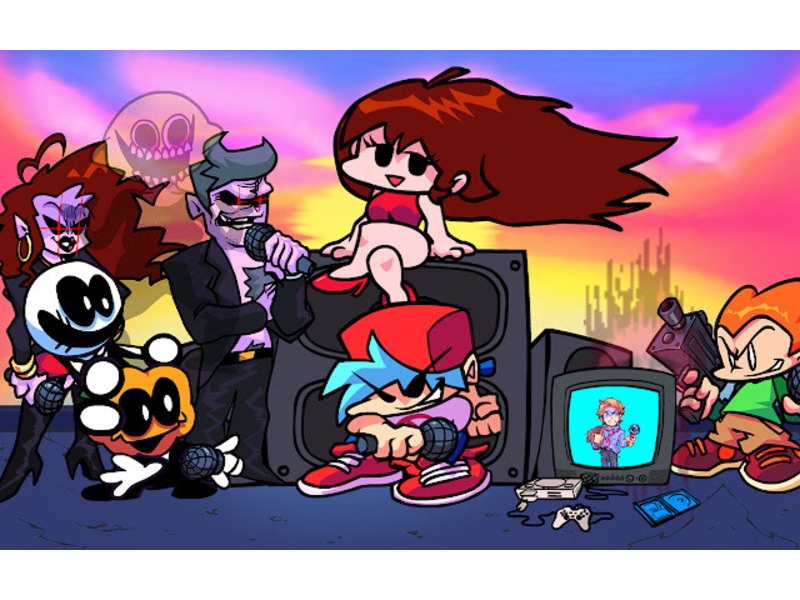
The art direction of Friday Night Funkin’ takes heavy inspiration from 1990s Flash animations and classic Saturday morning cartoons. The thick outlines, exaggerated expressions, and smooth yet simple movements give the characters a hand-drawn, nostalgic feel. Each week’s opponents — from Daddy Dearest to Pico — are designed with unique personality and flair, all while fitting perfectly into the game’s quirky cartoon world.
The result is a game that feels alive, expressive, and full of attitude. FNF’s art doesn’t aim for realism; instead, it embraces creativity and exaggeration, just like the cartoons that inspired it.
Vibrant Colors and Energetic Design
Color plays a huge role in the visual identity of fnf. Every scene is bursting with neon tones, glowing highlights, and sharp contrasts that match the rhythm and emotion of each song. The backgrounds shift with the beat, characters move in sync with the music, and visual effects enhance the intensity of every rap battle.
From the deep purples of the spooky stages to the bright reds and blues of the main menu, every hue in FNF feels deliberate and expressive. This colorful palette gives the game a unique identity that instantly catches players’ attention.
Retro Meets Modern
What truly makes Friday Night Funkin’ stand out is how it combines retro animation charm with modern rhythm gameplay. It’s a love letter to the early days of internet animation — bold, weird, and full of personality — yet it still feels fresh and relevant today.
Final Thoughts
The colorful retro art style of Friday Night Funkin’ is more than just a visual choice — it’s part of the game’s soul. It captures the joy of classic animation, the excitement of modern music, and the creative freedom that defines indie games. In short, FNF looks as fun as it feels to play.
 Loading