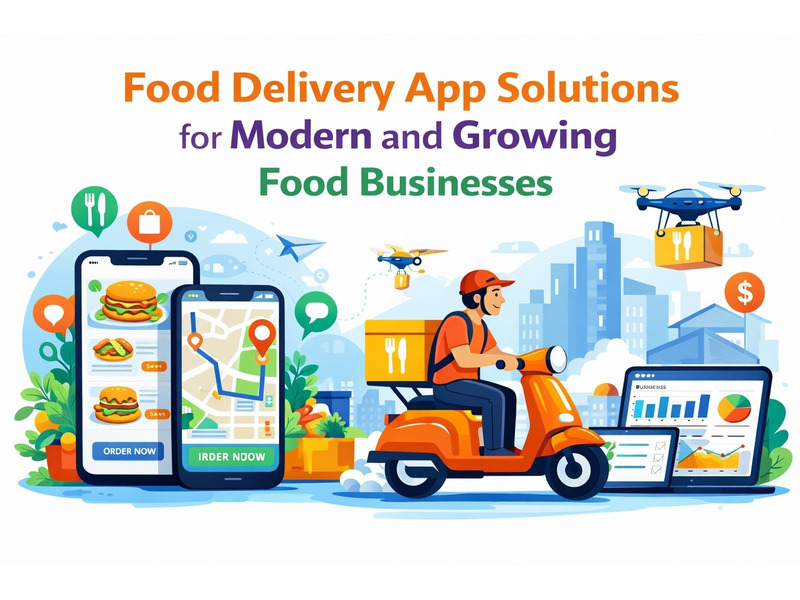
In today's fast-paced world, food delivery apps have revolutionized the way consumers access dining options, leading to a significant transformation in the food industry. As modern and growing food businesses strive to meet the ever-evolving demands of their customers, the importance of implementing effective food delivery solutions has never been greater. These applications not only streamline the ordering process but also enhance customer engagement, foster brand loyalty, and provide valuable insights into consumer behavior. This article explores the key components of successful food delivery app solutions, offering insights for food businesses looking to thrive in a competitive marketplace.
The Evolution of Food Delivery Apps
Historical Overview of Food Delivery Services
From humble beginnings, where pizza was the reigning champion of delivery, food delivery has transformed dramatically. The era of calling local restaurants and begging them to bring your hot wings to your front door paved the way for a revolution in convenience. Fast forward to the early 2000s, and delivery services started to embrace the internet, with platforms like Grubhub and Seamless leading the charge, making it easier than ever to order food without a single awkward phone call. Now, we've got apps that can deliver sushi, vegan tacos, and that strange new fusion cuisine you swore you'd never try—all with just a swipe of your finger.
Impact of Technology on Food Delivery
Technology has turned the food delivery landscape into a high-tech feast. From GPS tracking that ensures you can see exactly how close your burrito is, to AI algorithms predicting your cravings before you even open the app, the influence is undeniable. Mobile payment options, loyalty rewards, and even chatbots that can handle your customer service queries are now commonplace. In this tech-savvy age, ordering food is like playing a video game—except the reward is a delicious meal instead of a high score.
Consumer Behavior Changes in the Digital Age
Gone are the days when people would venture out into the wild (a.k.a. the parking lot) to pick up a meal. Today, convenience is king, and consumers expect instant gratification. We’re living in an age where the most significant relationship we have is with our delivery driver, and the quickest way to our hearts is through a delicious app notification. Trends show a growing preference for home dining experiences—fine dining in sweatpants, if you will—fueled by the rise of food delivery. Customers are also more inclined to explore diverse cuisines, thanks to their trusty apps, transforming them into adventurous eaters without the need for a passport.
Choosing the Right Platform for Your Business
Comparing Third-Party vs. Custom Solutions
Deciding between third-party platforms like Uber Eats and custom solutions is the age-old dilemma of convenience versus control. Third-party apps provide a quick, easy solution with built-in customer bases, but they also take a cut of your profits. Custom solutions, while more intricate to develop, give you full reign over your branding and customer relationships. Think of it like owning a food truck versus renting a booth at a music festival—both have their merits, but one offers you much more autonomy.
Scalability and Flexibility Considerations
As your food business grows, so should your delivery capabilities. Choosing a platform that can scale with you is crucial, especially if you're dreaming of going from a single location to a multi-state empire. Flexibility in adapting to new trends and customer demands is equally important. You don’t want to invest in a solution that feels like it’s stuck in the past—opt for platforms that are ready to evolve with your ambitions.
Cost Analysis: Initial Investment and Ongoing Fees
Let’s talk dollars and cents! When evaluating platforms, it's essential to consider both the initial investment and the ongoing fees. Third-party services can have hidden costs that eat into your profits, while custom builds may require a larger upfront budget. Be sure to crunch the numbers and assess the long-term financial impact. Remember, the best solution should not only support your current business model but also help pave the way for future growth without breaking the bank.
Future Trends in Food Delivery Applications
Automation and AI in Delivery Processes
The future is here, and it’s automated! From chatbots handling customer inquiries to AI optimizing delivery routes, technology is set to revolutionize food delivery. Imagine drones swooping down with your pizza or robots delivering sushi—yes, please! Embrace these tools to enhance efficiency and reduce delivery times. Just don’t forget to keep things personal; personalization goes a long way in keeping customers engaged.
Impact of Sustainability on Food Delivery Choices
Consumers today are increasingly eco-conscious, so offering sustainable packaging, carbon-neutral deliveries, or partnering with local farms can give your brand a serious edge. Make your commitment to sustainability clear in your marketing efforts. Not only does it resonate with customers, but it’s also the right thing to do. Everyone loves a brand that cares for the planet as much as they care for their food!
Predictions for Market Growth and Changes
The food delivery market isn’t slowing down; it’s growing faster than you can devour a double cheeseburger! As more consumers turn to delivery, staying ahead of trends like ghost kitchens or subscription meal services will be vital. Keep your ears to the ground (and your eyes on the data) to anticipate customer needs and preferences. Remember, the key to thriving in this ever-evolving landscape is adaptability—and a good sense of humor never hurts!In conclusion, adopting the right food delivery app solutions is essential for modern food businesses aiming to succeed in an increasingly competitive environment. By understanding the key features, integrating technology effectively, and implementing strategic marketing approaches, businesses can enhance customer experiences and drive growth. As the landscape continues to evolve, staying informed about the latest trends and innovations will enable food businesses to adapt and thrive in the dynamic world of food delivery.
FAQ
What are the essential features to look for in a food delivery app?
Key features include an intuitive user interface, real-time order tracking, secure payment integration, and customizable options for users.
How can small food businesses benefit from food delivery apps?
Food delivery apps can help small businesses reach a wider audience, streamline operations, enhance customer engagement, and ultimately increase sales.
Is it better to use a third-party delivery service or develop a custom app?
It depends on your business goals; third-party services offer quick access to a large customer base, while a custom app allows for tailored features and branding but requires a higher initial investment.
What trends should food businesses watch in the food delivery market?
Businesses should pay attention to automation and AI advancements, sustainability practices, and evolving consumer preferences towards convenience and personalization.
 Loading