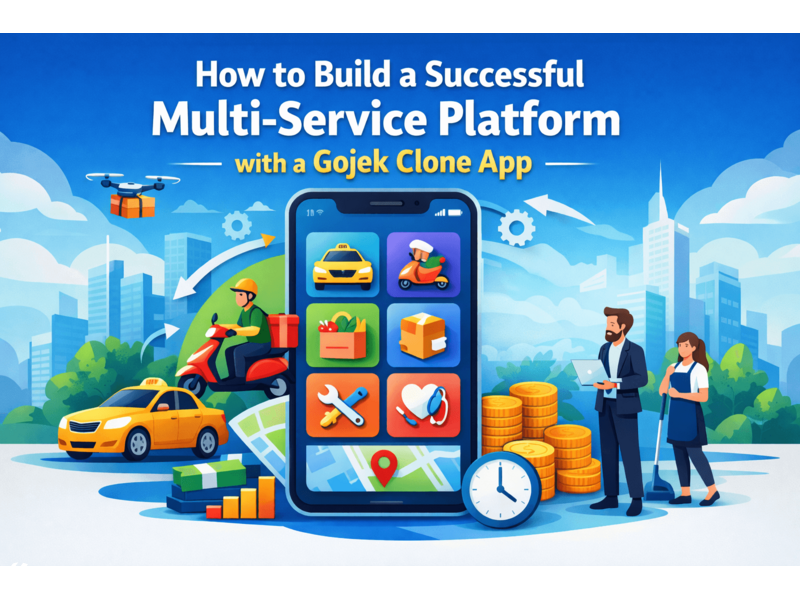
In today's fast-paced digital era, multi-service platforms have emerged as a revolutionary solution to meet diverse consumer needs in a single application. The Gojek Clone App epitomizes this trend, offering a comprehensive suite of services ranging from transportation and food delivery to on-demand home services. Building a successful multi-service platform requires careful planning, robust technology, and a deep understanding of the target market. This article will guide you through the essential steps and strategies to create an effective Gojek Clone App, ensuring you can harness the power of a multi-service platform to tap into the ever-growing demand for convenience and efficiency.
Understanding the Gojek Clone App Concept
What is a Gojek Clone App?
A Gojek Clone App is a multi-service platform that mimics the functionality of Gojek, allowing users to access various services such as ride-hailing, food delivery, grocery shopping, and much more from a single app. Think of it like having a Swiss Army knife in your pocket—one tool with endless possibilities. It aims to provide convenience, efficiency, and a one-stop solution for everyday needs, all while ensuring users can flip through services like flipping channels on a TV.
The Evolution of Multi-Service Platforms
Once upon a time, we had to juggle multiple apps like they were flaming torches to get our daily tasks done. But then came the multi-service platform revolution, and now we can access everything from food delivery to cleaning services with the tap of a finger. The evolution of these platforms has been swift, pushing boundaries of convenience and creating a blend of services that cater to the modern-day consumer. It’s like the evolution from a flip phone to a smartphone, and trust us, no one’s going back.
Key Features of a Successful Multi-Service Platform
Essential Services to Include
When building your Gojek Clone app, think of the essential services as the core ingredients in a delicious dish. You wouldn’t skimp on the key spices, right? Include ride-hailing, food delivery, courier services, home repairs, and personal services. The more variety, the better the feast! Make sure to cater to local demands, as different markets might have their unique tastes.
User Account Management
User account management is like the bouncer of your club—it keeps everything secure while ensuring smooth entry for your guests. Implement features that allow users to create, manage, and customize their profiles. Integration of social logins and an easy account recovery process will make your app the VIP lounge everyone wants to enter, keeping user experience both secure and pleasant.
Payment Gateway Integration
Let’s face it: no one likes to deal with complicated payment processes. A reliable payment gateway is like the friendly cashier at your favorite diner—it should get you in and out quickly and without fuss. Offering multiple payment options such as credit cards, digital wallets, and even cash will keep users happy and coming back for seconds (or thirds).
Real-Time Tracking and Notifications
In a world where instant gratification reigns supreme, users expect to know exactly where their ride or food is at all times. Real-time tracking and notifications are your app’s way of saying, “I got you!” This feature not only builds trust but keeps users engaged. Think of it like tracking your pizza delivery—anticipation is half the fun!
Market Research and Target Audience Analysis
Identifying Market Trends
Before you leap into the multi-service fray, it’s crucial to do your homework. Identifying market trends is like reading the tea leaves of consumer behavior. Are people gravitating towards eco-friendly services? Is there a demand for pet grooming? Engage in surveys, analyze competitor strategies, and keep your finger on the pulse to understand where the market is headed.
Understanding Customer Needs and Preferences
To truly succeed, you need to wear your customers' shoes—figuratively, of course! Understanding customer needs and preferences will guide your service offerings. Are they looking for convenience? Quality? Affordable pricing? A mix of everything? Getting to know your audience will help you build a platform that feels tailored just for them, like a custom-made suit… or pizza, depending on your audience.
Competitor Analysis
Competitor analysis is your secret weapon—think of it as being part detective and part psychic. Examine what your competitors are doing right (and wrong) to differentiate your app. What features do they offer? What are their customers raving (or complaining) about? Learn from their successes and their blunders, and you’ll carve out your niche in the bustling multi-service market.
Ensuring Scalability and Future Growth
Planning for Increased User Demand
A great app is like a good party—everyone wants to come! So, plan for that increased user demand like you’re preparing for a concert. Invest in scalable infrastructure that can handle spikes in traffic without crashing like a bad date. Regularly evaluate data and trends to predict when you might need to ramp up server capacity and keep user experience smooth and uninterrupted.
Expanding Service Offerings
Variety is the spice of life, and the same goes for your service offerings. Continuously look for ways to expand your platform's services—think beyond just rides and deliveries. How about adding home services, health & wellness options, or even virtual services? The more options you provide, the more users you’ll attract, and that means more potential dollar signs!
Regular Updates and Maintenance
Keeping your app updated is like regular spa visits for your platform—it ensures everything runs smoothly and feels fresh. Regular maintenance is crucial for fixing bugs, optimizing performance, and adding new features. Regularly listen to user feedback for areas of improvement. After all, your app should evolve like a fine wine—getting better with age!In conclusion, building a successful multi-service platform with a Gojek Clone App involves a strategic blend of innovative features, thorough market understanding, and effective marketing approaches. By following the outlined steps and continuously adapting to user feedback and market trends, you can create a platform that not only meets the needs of your users but also stands out in a competitive landscape. Embrace the journey of development and growth, and position your app for long-term success in the dynamic world of on-demand services.
FAQs
What is a Gojek Clone App?
A Gojek Clone App is a multi-service platform that replicates the features and functionalities of the Gojek application, allowing users to access various services like transportation, food delivery, and home services from a single app.
How much does it cost to develop a Gojek Clone App?
The cost to develop a Gojek Clone App can vary widely based on factors such as the complexity of features, the technology stack used, and the development team’s location. On average, it can range from a few thousand to several hundred thousand dollars.
What features should I include in my multi-service platform?
Essential features for a multi-service platform include user account management, booking systems, payment gateway integration, real-time tracking, and customer support. Additional features may include ratings and reviews, promotional offers, and a referral system.
How can I effectively market my Gojek Clone App?
Effective marketing strategies include building a strong brand identity, leveraging digital marketing channels such as social media and SEO, running targeted advertising campaigns, and collaborating with influencers to reach a wider audience.
 Loading