
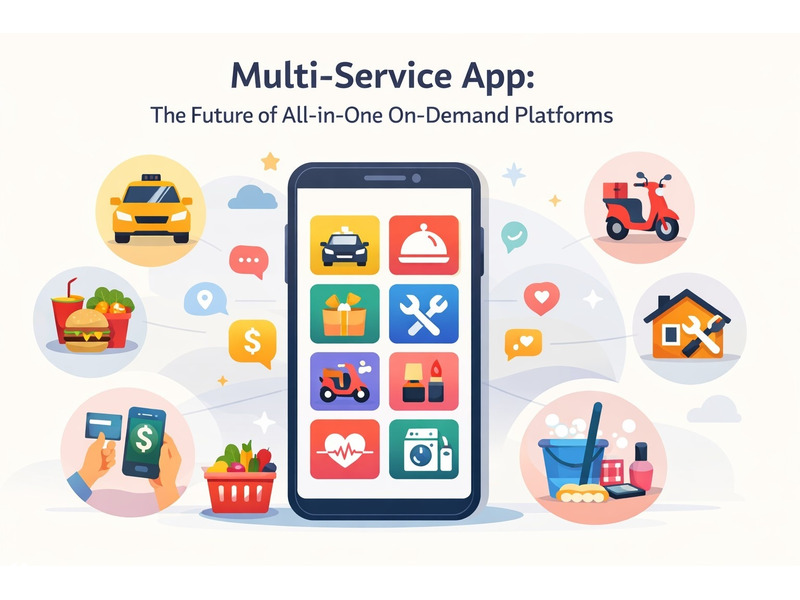
In today's fast-paced digital landscape, consumers are increasingly seeking convenience and efficiency in their everyday lives. Multi-service apps have emerged as a solution to this demand, offering a one-stop platform that encompasses a variety of services ranging from food delivery to transportation and beyond. By combining multiple functionalities into a single application, these platforms not only simplify user experiences but also provide businesses with new avenues for growth and engagement. As technology continues to evolve and consumer preferences shift, multi-service apps are poised to shape the future of on-demand services, making them an essential focus for both developers and users alike.
Understanding Multi-Service Apps
Definition and Overview
Multi-service apps are the Swiss Army knives of mobile applications, combining a variety of services under one digital roof. Imagine having a single app where you can order food, book a ride, schedule a cleaning service, and even buy groceries—all without switching apps or losing your sanity. These platforms aim to streamline user experience by offering multiple services, tailored to meet the diverse needs of consumers in our fast-paced world.
How Multi-Service Apps Differ from Traditional Apps
Traditional apps are like that one friend who can only do one thing really well—great for a specific purpose but not exactly versatile. In contrast, multi-service apps are the life of the party, bringing together an array of functionalities. While a traditional app might focus solely on food delivery, a multi-service app can handle food, transportation, shopping, and more, all within a single interface. This fusion not only saves storage space on your phone but also simplifies the user experience by eliminating the need to shuffle between multiple apps.
The Rise of On-Demand Platforms
Market Growth and Consumer Demand
The on-demand economy is booming faster than a caffeinated squirrel, with consumers increasingly demanding convenience at their fingertips. As busy lifestyles continue to dominate, the appetite for quick and efficient services has skyrocketed. Market research shows that consumers are gravitating towards platforms that offer multiple services, as it elevates their shopping experience from "meh" to "wow". It’s not just about fulfilling needs anymore; it’s about offering a buffet of choices that cater to the whims of modern life.
Technological Advancements Driving Change
Thanks to emerging technologies, the rise of multi-service apps is no longer a pipe dream but a beautiful reality. Innovations like artificial intelligence, machine learning, and cloud computing are powering these platforms to deliver personalized experiences. With improved data analytics, these apps can predict what you need before you even know you need it. This tech-savvy evolution is crucial in keeping up with consumer expectations—because let’s face it, nobody wants to wait for their groceries while they binge-watch that new series, right?
Key Features of Multi-Service Apps
User-Friendly Interface and Navigation
When it comes to multi-service apps, simplicity is key. A user-friendly interface is essential to ensure that even your technologically-challenged uncle can navigate the platform without throwing his phone out the window. Clear categorization, seamless navigation, and visually appealing design all play a role in enhancing user engagement. After all, if it takes longer to figure out the app than to actually order something, is it really that convenient?
Integration of Diverse Services
One of the defining features of multi-service apps is their ability to integrate varied services efficiently. Whether you’re in the mood for a pizza, need a last-minute ride, or want to book a cleaning service, the app should have all these options rolled into one arrangement. This seamless integration not only keeps users engaged but also elevates the possibilities of cross-promotions and bundled services that can significantly enhance user satisfaction.
Real-Time Updates and Notifications
In today’s world, waiting is a four-letter word nobody enjoys. So, multi-service apps are stepping up their game with real-time updates and notifications. Whether it's tracking your food delivery, getting alerts about the arrival of your ride, or receiving reminders for scheduled services, timely communication keeps users connected. This feature not only keeps users informed but also builds trust, making them feel more in control of their on-demand experience.
Conclusion: The Evolution of All-in-One Solutions
Summary of Key Points
Multi-service apps are evolving rapidly, facing challenges like technical hurdles and competitive pressures while also embracing future trends such as AI integration and sustainability. Successful case studies like Uber and WeChat demonstrate that when executed well, these apps can revolutionize how we interact with services daily.
Future Outlook for Multi-Service Apps
As technology continues to advance, the future of multi-service apps looks promising—if not downright exciting! With the potential for greater personalization, eco-friendliness, and expansion into untapped markets, we can only imagine the possibilities that lie ahead. Buckle up, folks; the all-in-one app revolution is just getting started!In conclusion, multi-service apps represent a significant advancement in the realm of on-demand platforms, offering unparalleled convenience and efficiency for both consumers and service providers. As they continue to evolve and adapt to changing market demands, these all-in-one solutions are set to redefine the way we interact with various services. Embracing the potential of multi-service apps will not only enhance user experiences but also drive innovation across industries, paving the way for a more integrated digital future.
Frequently Asked Questions
What are multi-service apps?
Multi-service apps are platforms that combine multiple services into a single application, allowing users to access various functionalities such as transportation, food delivery, and payment processing all in one place.
How do multi-service apps benefit consumers?
These apps offer consumers convenience by providing a one-stop solution for their needs, saving time and effort by allowing them to manage multiple services through a single interface.
What challenges do multi-service apps face?
Challenges include technical issues related to app maintenance, market competition, user privacy concerns, and the need to differentiate themselves in a crowded marketplace.
What trends are shaping the future of multi-service apps?
Future trends include the integration of artificial intelligence for personalized experiences, a focus on sustainability, and the expansion of services into emerging markets to reach a broader audience.
 Loading