Introduction
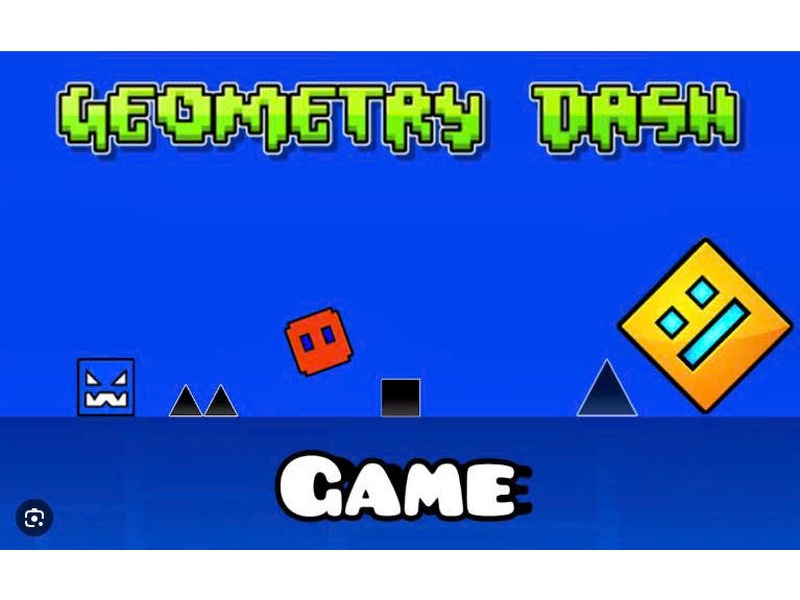
Some games are easy to understand but surprisingly difficult to master. Geometry Dash is a good example. At first glance, the idea seems simple: guide a small character through a level, jump over obstacles, and reach the finish line. There are no complicated controls or long instructions. You usually need only a tap, click, or press of a key to jump.
Yet that single action becomes much more interesting when it is placed inside a fast-moving world of spikes, platforms, portals, music, and changing gravity. Each level asks you to observe, react, and remember. A jump that looks harmless can require perfect timing, while a short section may take many attempts before it finally feels natural.
For anyone curious about an interesting geometry jump, Geometry Dash is a useful place to start. It shows how a basic movement can become a complete gaming experience when rhythm, visual design, and challenge work together.
Gameplay: More Than Just Pressing Jump
The main gameplay loop is direct. Your character moves forward automatically, and you control its jumps. In the early stages, you learn to clear small gaps and avoid spikes. Soon, the level introduces taller obstacles, narrow platforms, moving objects, and sections where the timing becomes less forgiving.
The important detail is that the world keeps moving. You cannot usually stop and study an obstacle for as long as you want. Instead, you must read what is ahead while your character continues forward. This creates a steady feeling of pressure, even when the controls remain simple.
The music also plays an important role. Many obstacles are arranged around the beat, so a jump may feel easier when you follow the rhythm rather than relying only on sight. This does not mean every obstacle can be solved by listening alone, but the soundtrack often gives the level a natural pulse. After enough attempts, your hands may begin to remember the timing.
Geometry Dash also changes the meaning of a jump through different game modes. In some sections, the character flies instead of hopping across the ground. Other parts reverse gravity, speed up movement, or introduce portals that change how the character behaves. These changes prevent the experience from becoming repetitive. You are still reacting to the level, but the skill required keeps developing.
Practice mode makes the learning process more manageable. It allows you to place checkpoints and study difficult sections without restarting the entire level each time. Rather than treating failure as a punishment, you can use each attempt to discover one small detail: when to tap, how long to hold, or where to move next.
Tips for Improving Your Geometry Jumps
Start with the official beginner levels. They introduce the basic ideas gradually. Trying a very difficult custom level immediately can be exciting, but it may also make the controls feel unfair before you understand them.
Watch before you rush. In practice mode, take a moment to notice the order of obstacles. Look for patterns such as two quick jumps, a delayed jump, or a platform that requires you to stay low. Recognizing the sequence is often more useful than reacting to every object separately.
Use short, controlled inputs. New players sometimes hold the button too long because they are afraid of falling. A long press may send the character higher than expected. Learn how light taps and longer holds affect the jump, then use the smallest input that safely clears the obstacle.
Listen to the soundtrack. When the visual effects become busy, the beat can help you maintain a steady pace. Try counting along with the music or noticing where major jumps occur in relation to it. Rhythm will not replace practice, but it can make timing feel less random.
Practice one difficult section at a time. If a level keeps ending at the same obstacle, focus on that part instead of repeatedly playing from the beginning. Once the section feels comfortable, connect it with the part before and after. This builds consistency without making the whole level seem overwhelming.
Take breaks after repeated failures. Fast games can make frustration build quickly. A short pause often helps more than another twenty rushed attempts. When you return, your timing may feel clearer simply because you are less tense.
Keep your settings comfortable. If the screen is too bright, the sound is distracting, or the game feels visually crowded, adjust the setup where possible. A comfortable environment can make it easier to notice small movement cues.
Treat progress as more than completion. Reaching the end of a level is satisfying, but improvement can also mean surviving a section that defeated you earlier, learning a new mode, or making fewer mistakes. These smaller milestones help keep the experience enjoyable.
Conclusion
Geometry Dash demonstrates how much depth can come from one simple idea. A jump becomes a test of rhythm, memory, observation, and patience when it is placed inside a fast and carefully designed level. The game can be challenging, but its rules are clear enough that every failure usually offers useful information.
The best way to experience an interesting geometry jump is to begin slowly, practice difficult sections, and pay attention to both the visuals and the music. Do not expect to master everything immediately. Let the game’s patterns become familiar over time, and celebrate the moments when a previously impossible section suddenly feels natural.
Whether you play for a few minutes or spend longer learning a challenging level, Geometry Dash offers a simple lesson in game design: a single button can create a memorable adventure when timing and creativity are used well.
 Loading