As the sharing economy continues to expand, entrepreneurs are faced with a critical decision when launching a transportation-related business: choosing between a BlaBlaCar clone app and a traditional car rental app. Each model offers unique features, target audiences, and monetization strategies, making it essential to understand the advantages and disadvantages of both options. This article will delve into a comprehensive comparison of the two models, examining their core functionalities, market demand, and overall viability, ultimately guiding you to the best choice for your business goals.
Overview of BlaBlaCar Clone App and Car Rental App Models
Definition of BlaBlaCar Clone App
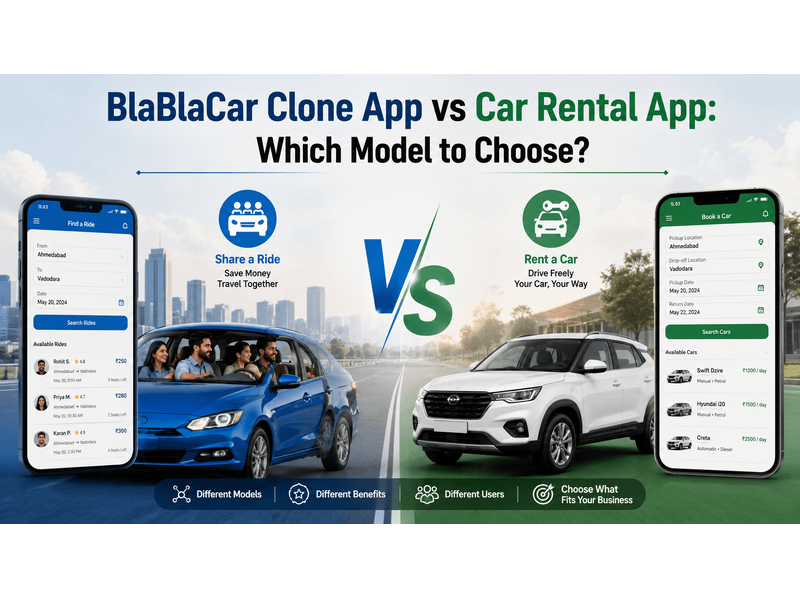
A BlaBlaCar clone app is essentially a ride-sharing platform that allows users to find and book rides between cities, connecting drivers with empty seats to passengers looking for a cost-effective way to travel. Think of it as the Tinder of road trips, but instead of swiping right to find love, you’re swiping to find someone to share the backseat (preferably someone who won't talk your ear off the entire journey).
Definition of Car Rental App
Car rental apps facilitate the short-term lease of vehicles, offering users the ability to rent a car for a specific period. From luxurious sedans for that wedding week to rugged SUVs for weekend getaways, these apps provide a wide range of options. It’s like having a personal fleet at your beck and call, minus the need for a chauffeur (and the awkward small talk).
Market Trends and Growth
The global ride-sharing and car rental market have both seen exponential growth in recent years, fueled by a shift towards sustainable travel and the ever-increasing demand for convenience. Millennials and Gen Z, in particular, are embracing shared mobility options, pushing BlaBlaCar clones and rental apps into the spotlight. With the rise of digital platforms and an increasing focus on eco-friendly transportation, these models are set to thrive as they continue to evolve—and might even become your new travel best friends.
Key Features Comparison
Core Functions of BlaBlaCar Clone Apps
BlaBlaCar clone apps typically feature user profiles, real-time trip listings, seat booking systems, and integrated payment gateways. They often include a rating and review system, ensuring safety and reliability. The app might also throw in some social features to help you find fellow ride-share enthusiasts and engage in casual chit-chat before the trip (but we can't guarantee it’s not all just small talk about traffic).
Core Functions of Car Rental Apps
Car rental apps focus on vehicle listings, booking management, and payment processing. Key features often include detailed vehicle descriptions, availability calendars, and location-based searching. Many apps offer user-friendly interfaces that allow customers to filter their rentals based on vehicle type, price, and features. Plus, the best ones throw in GPS navigation—because who wants to drive around in circles looking for that new café?
Additional Features and Enhancements
To stand out, BlaBlaCar clone apps may incorporate social networking features, loyalty programs, and promotions for frequent users. They might even include shared itineraries, allowing travelers to coordinate their plans with newfound ride buddies. On the other hand, car rental apps often enhance user experience with features like 24/7 roadside assistance, insurance options, and the ability to add extras like GPS and child seats for family trips. Because nothing says “road trip” like a fully equipped mini-van ready to take on the open road!
Target Audience and Market Demand
Demographics of BlaBlaCar Users
BlaBlaCar users are generally budget-conscious travelers—often students, young professionals, or those simply looking for economical travel options. Many are environmentally aware, preferring shared rides to reduce their carbon footprint. With an average age of about 30, these users are tech-savvy and heavily reliant on mobile apps for their planning and booking needs.
Demographics of Car Rental Customers
Car rental customers tend to cover a broader range of demographics, from families on vacation to business travelers in need of a reliable vehicle. Typically, they’re slightly older than BlaBlaCar users, often falling in the 30-55 age bracket. This group values convenience and flexibility, utilizing rental services for everything from spontaneous road trips to corporate events.
Market Research Insights
Market research indicates that both ride-sharing and car rental services are on an upwards trajectory, with increasing consumer preference for flexible and cost-efficient travel solutions. The demand for ride-sharing services is predicted to rise as urban populations grow and congestion increases, while car rentals are bolstered by the resurgence of travel post-pandemic. Essentially, there’s room for both models to thrive, catering to different travel needs and situations—because let’s face it, sometimes you just need a ride, while other times you need to roll in style.
Conclusion: Which Model Suits Your Business Goals?
Summary of Key Differences
So what have we learned? BlaBlaCar clones are budget-friendly, eco-conscious, and often easier to develop, but they ride a rocky road of competition and consistency. In contrast, car rental apps offer more control and potentially higher returns, yet they come with higher costs and logistical challenges. Ultimately, they’re like two sides of the same coin—both can shine in the right hands!
Recommendations Based on Business Objectives
For those looking to dip their toes in the app world without burning a hole in their wallet, BlaBlaCar clone apps could be your go-to. If you’re aiming for long-term investment and don’t mind the operational complexities, the car rental model might hit the sweet spot. Assess your resources, risk tolerance, and long-term goals because, remember, whether you choose to ride together or rent alone, the road ahead should be paved with your unique vision! In conclusion. Both BlaBlaCar clone apps and car rental apps present unique opportunities in the transportation market. By carefully evaluating the features, target audiences, and monetization strategies discussed, you can make an informed decision that aligns with your business objectives. Whether you choose to embrace the ride-sharing model or the traditional car rental approach, understanding these key elements will help you navigate the path to success in this competitive landscape.
 Loading