In today's fast-paced digital landscape, multi-service applications have emerged as a powerful solution for both users and businesses, combining multiple functionalities into a single platform. As consumer expectations evolve and the demand for seamless user experiences increases, developers are increasingly turning to multi-service app development as a way to stand out in a crowded marketplace. This article explores the essential features, cost considerations, and significant benefits of multi-service applications, while also comparing them to traditional app development approaches. Through case studies and insights into future trends, we aim to provide a comprehensive understanding of the multi-service app landscape and offer strategic recommendations for aspiring developers and businesses alike.
Introduction to Multi-Service App Development
Definition and Overview
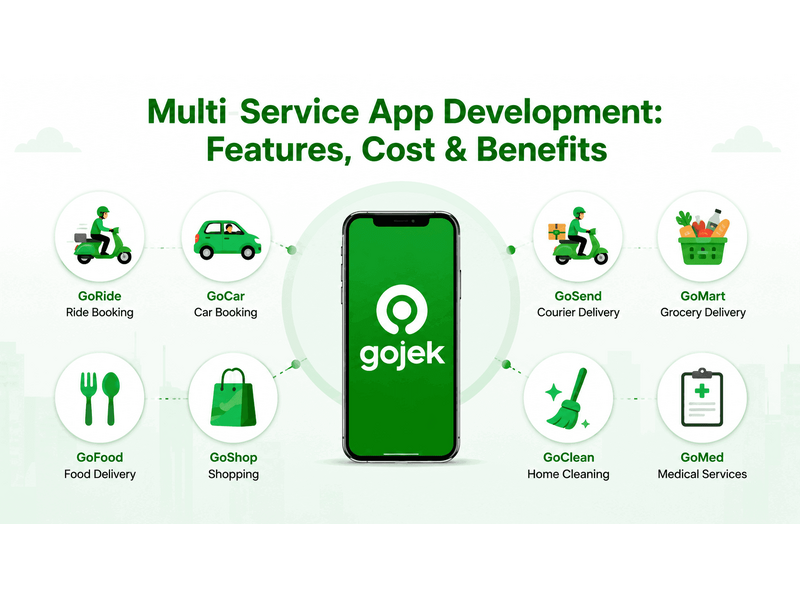
Multi-service app development is like crafting a Swiss Army knife for your smartphone—one app to do it all! Instead of downloading multiple apps for various needs, a multi-service app combines several functions into one convenient platform. Think ride-hailing, food delivery, and grocery shopping all wrapped up in one delightful user experience. This development approach not only simplifies app usage for consumers but also allows businesses to expand their service offerings efficiently.
Market Demand and Trends
The demand for multi-service apps is surging faster than your morning coffee addiction. With consumers craving convenience and efficiency, the trend is clear: why juggle several apps when you can have one that does the heavy lifting? Major players like Gojek and Grab have paved the way, proving that these apps can pack a punch. As technology advances and user expectations rise, businesses are increasingly jumping on the multi-service bandwagon to stay competitive and capture market share.
Key Features of Multi-Service Apps
User Interface and Experience
When it comes to user interface (UI) and experience (UX), think of your app as a five-star restaurant—you want a layout that’s visually appealing and user-friendly. Intuitive navigation, quick loading times, and a clean design are essential. After all, no one enjoys playing hide-and-seek with their food delivery option. Long story short: a smooth UI/UX can make or break your app’s reputation faster than you can say “app update.”
Integration of Multiple Services
The magic of multi-service apps lies in their ability to integrate various services seamlessly. Whether it’s connecting users with drivers, delivery personnel, or local businesses, a robust backend architecture is crucial. APIs (Application Programming Interfaces) are the unsung heroes here, enabling the app to communicate efficiently across different platforms. This integration not only provides a cohesive experience for users but also helps in managing diverse functionalities effectively.
Scalability and Flexibility
In the ever-evolving digital landscape, scalability and flexibility are your best friends. As user demands increase or new services are added, your app should be able to grow without breaking a sweat. Whether you’re welcoming a surge of new users or introducing fancy features, a well-architected app makes it all possible. So, think of scalability as those stretchy yoga pants you can rely on—always ready for action!
Security and Data Privacy
Security is paramount in multi-service app development—after all, nobody wants their personal data floating around like confetti at a poorly planned party. Implementing robust security measures, like encryption and secure payment gateways, protects user data and maintains their trust. Complying with data privacy regulations is equally important, ensuring that your app not only looks good on the surface but is also secure underneath.
Future Trends in Multi-Service App Development
Emerging Technologies and Innovations
As we peer into the crystal ball of app development, emerging technologies like AI, machine learning, and blockchain are stealing the spotlight. These innovations can enhance functionality and security within multi-service apps, leading to personalized experiences. Imagine an app that predicts your food cravings or recommends services based on your location and preferences—talk about living in the future! The integration of augmented reality (AR) and virtual reality (VR) may also redefine how users interact with these apps, making experiences more immersive and engaging than ever.
Shifts in User Expectations
User expectations are evolving faster than a cat video can go viral. Today’s users are looking for seamless experiences that anticipate their needs. They want speed, personalization, and ease of use—all while juggling their busy lives. Multi-service apps must rise to the challenge by providing intelligent features that make life easier, rather than complicating it. Users are also becoming increasingly aware of data privacy, so apps must prioritize transparency and security to foster trust and loyalty. If your app isn’t up to snuff, remember—users will swipe left faster than they would on a dating app!
Conclusion and Recommendations
Summary of Key Points
In summary, multi-service app development offers a wealth of advantages, from flexible features and higher user adoption rates to the ability to streamline numerous functions. By comparing it to traditional app development, we see how this approach caters to modern users' needs for convenience and multitasking capabilities. Successful case studies highlight the importance of user feedback and adaptability, while future trends point towards a tech-savvy landscape where user experience reigns supreme.
Strategic Recommendations for Development
To navigate the multi-service app development landscape effectively, focus on building a solid foundation by understanding your target audience. Prioritize a user-friendly interface and the integration of cutting-edge technologies that enhance functionality. Stay adaptable—be prepared to pivot based on user feedback and emerging trends. Lastly, pay attention to data privacy and security, ensuring that users feel safe and valued. With these strategies, you’ll be well on your way to creating an app that is not just useful but delightful, transforming everyday tasks into an enjoyable experiences!In conclusion. Multi-service app development represents a transformative approach that addresses the diverse needs of modern users while offering significant benefits to businesses. By leveraging essential features and understanding the cost implications, developers can create powerful applications that enhance user engagement and drive revenue. As technology continues to advance, staying informed about emerging trends will be crucial for those looking to thrive in this competitive space. Embracing the multi-service model not only positions developers for success but also aligns with the evolving expectations of today's digital consumers.
 Loading