The food delivery industry has witnessed exponential growth in recent years, driven by the increasing demand for convenience and the rise of on-demand services. A DoorDash clone app presents an opportunity for entrepreneurs and businesses to tap into this lucrative market by replicating the successful features and functionalities of popular platforms like DoorDash. This complete guide will delve into the essential features of a DoorDash clone app, outline the development process, explore cost factors, and examine key monetization strategies. Whether you are a startup founder or an established business looking to expand your offerings, understanding these elements is crucial to creating a successful food delivery application that meets the needs of both customers and delivery partners.
Overview of DoorDash Clone Apps
What is a DoorDash Clone App?
A DoorDash clone app is essentially a twin of the popular food delivery service, strategically designed to mirror its core functionalities and user interface. It allows entrepreneurs to launch their own food delivery business without starting from scratch—think of it as a well-crafted doppelgänger, complete with all the essential features that make DoorDash a household name, but ready for customization and personalization to fit your unique business vision.
Benefits of Using a Clone App
Using a clone app saves time and money while providing a proven business model. You benefit from established market practices, reducing experimental risks that often plague startups. Plus, the clone app’s pre-built features offer a seamless user experience right out of the box, allowing you to focus on branding, marketing, and the important task of perfecting that menu rather than troubleshooting unnecessary tech issues.
Market Demand for Food Delivery Services
The demand for food delivery services has skyrocketed in recent years, largely thanks to the pandemic, changing consumer habits, and our collective love for not cooking at the end of a long day. With busy lifestyles and a craving for convenience, people are constantly looking for quick and easy ways to get their meals, making the food delivery market ripe for new competitors. Enter the DoorDash clone app, ready to quench that insatiable hunger for efficiency and deliciousness.
Key Features of a DoorDash Clone App
User App Features
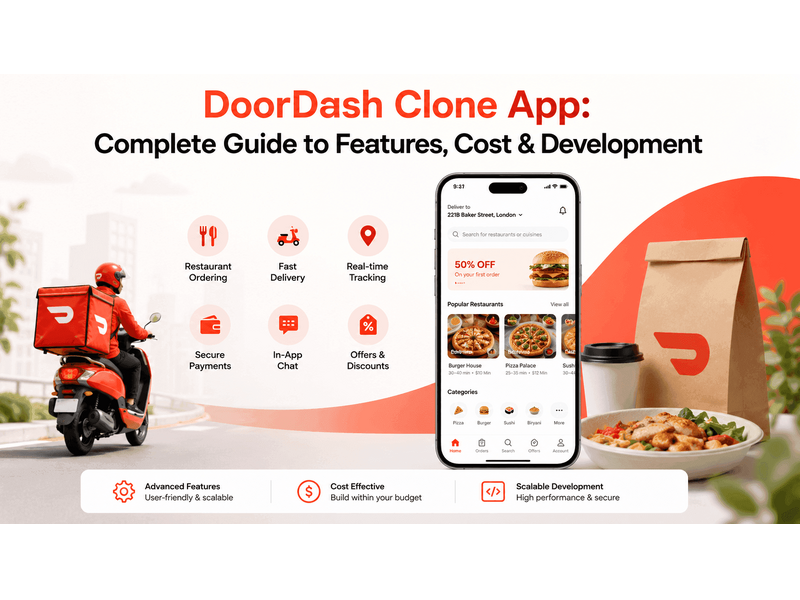
The user app is like the Swiss Army knife of food delivery—packed with features like user registration and profiles, a browsable menu of nearby restaurants, real-time order tracking, easy payment options, and push notifications for updates. Additionally, features like order history, ratings and reviews, and personalized recommendations ensure users have an experience tailored to their tastes—literally.
Delivery Driver App Features
The delivery driver app is designed to keep things running smoothly on the ground. With features like route optimization for efficient deliveries, real-time order updates, earnings tracking, and a ratings system for user feedback, drivers are equipped to handle everything from hot pizzas to fresh salads with ease. Plus, chat and navigation features help keep them on the right path—literally and figuratively.
Admin Dashboard Features
For the masterminds behind the curtain, the admin dashboard is the control center. This feature-rich interface allows for user management, order management, and restaurant onboarding. You can monitor delivery performance, analyze sales trends, and generate reports that make you feel like a data wizard. Plus, with marketing tools integrated, promoting your app can be as easy as pie—pizza pie, that is.
Additional Functionalities
To stay ahead of the competition, consider adding features like loyalty programs, referral incentives, multi-language support, and social media integration. You might even want to explore options for subscription models or meal kits. The goal is to make your app not just a delivery service but an engaging platform that users keep coming back to—because who doesn’t love a little extra?
Technology Stack for DoorDash Clone Development
Front-End Technologies
When it comes to the front end, a DoorDash clone needs to be as smooth as freshly churned butter. Popular choices include React and Vue.js for building responsive user interfaces that keep users engaged and craving more (just like that extra slice of pizza). HTML5 and CSS3 will handle the visual elements, while mobile frameworks like React Native or Flutter can whip up a beautiful app for both iOS and Android users.
Back-End Technologies
On the flip side, the back end is where all the magic (and data) happens. Node.js is a popular choice for real-time data handling, while Django or Ruby on Rails can provide robust frameworks to build reliable applications. RESTful APIs will ensure seamless communication between the front-end and back-end, like a well-oiled machine (or delivery truck). Don’t forget about using WebSocket for real-time order tracking!
Database Management Solutions
A DoorDash clone also needs a dependable database to store user information, order details, and restaurant menus. SQL databases like PostgreSQL or MySQL are solid choices for structured data. Alternatively, NoSQL databases like MongoDB can offer flexibility if you’re handling varied data types. Think of it as your virtual pantry, keeping everything organized and ready to serve!
Third-Party Integrations
To elevate your DoorDash clone, third-party integrations are essential. Payment gateways like Stripe or PayPal will ensure transactions are as smooth as a buttery croissant. Map APIs from Google or Mapbox can help with accurate delivery routes, while SMS gateways can keep customers in the loop about their food’s journey. It's all about creating the ultimate user experience, without the hiccups.
Future Trends in Food Delivery Apps
Technological Innovations
The future of food delivery is bright, and it’s illuminated by technological innovations. AI and machine learning will optimize delivery routes and predict user preferences, while drone deliveries might just become a reality. Imagine your burger arriving via drone—now that’s a delivery experience worth talking about!
Consumer Behavior Changes
As consumers become more health-conscious, the demand for healthy meal options will rise. Apps that cater to specific dietary needs, like vegan, gluten-free, or keto, may see an increase in popularity. Understanding these changing preferences will keep your app ahead of the curve and make you the go-to for foodies everywhere.
Impact of Sustainability Initiatives
Sustainability is no longer just a buzzword; it’s a necessity. Future food delivery apps will need to focus on eco-friendly practices, from using sustainable packaging to partnering with local farms. Embracing these initiatives can not only attract environmentally conscious consumers but also help save the planet—one meal at a time! In conclusion, developing a DoorDash clone app presents an exciting opportunity to enter the thriving food delivery market. By focusing on essential features, understanding the development process, and being aware of cost factors and monetization strategies, you can create a competitive application that attracts users and drives growth. As the industry continues to evolve, staying informed about emerging trends and challenges will be vital for your app's long-term success. Embrace the journey, and with the right approach, your DoorDash clone app can flourish in this dynamic landscape.
 Loading